

The Steady State
Sentinel
New episodes drop every Tuesday!
The Steady State Sentinel is produced by The Steady State, a community of former national security professionals who spent their careers safeguarding the United States at home and abroad. Today, we continue that mission by staying true to our oaths to defend the Constitution, uphold democracy, and protect national security. Each episode features expert hosts in conversation with accomplished guests whose experience sheds light on the crises and challenges facing the nation.
Our Latest Episode
Defending Democracy: Lessons from Ukraine to America
The authoritarian playbook, the threat to free speech, and the lessons Americans must learn before it's too late.
What does authoritarianism actually look like before a democracy falls? In this episode of The Steady State Sentinel, retired Space Force Colonel Bree Fram sits down with Uriel Epshtein, CEO of the Renew Democracy Initiative, to examine the warning signs of democratic erosion in the United States and the lessons Americans can learn from those who have lived under authoritarian rule. Drawing on his family’s experience in the Soviet Union and his recent visit to war-torn Ukraine, Epshtein describes the extraordinary resilience of Ukrainians living under Russian bombardment, the creeping normalization of political intimidation, and the dangers of replacing the rule of law with the selective application of justice. Together, they explore how authoritarian leaders consolidate power, exploit political divisions, and undermine the freedoms Americans have long taken for granted.
But recognizing the danger is only half the battle. Fram and Epshtein examine the global relationships between authoritarian leaders, what it would take for Ukraine to secure a lasting victory, and how American citizens, veterans, and national security professionals can defend democratic institutions at home. Epshtein argues that the pro-democracy movement must move beyond simply warning people about authoritarianism and offer a compelling vision of what freedom can deliver for ordinary Americans. From the courage of Soviet dissidents to the resilience of Ukraine, this conversation makes the case that democracy’s survival depends not only on confronting the forces threatening it, but on giving people something worth fighting for.




About Our Guest
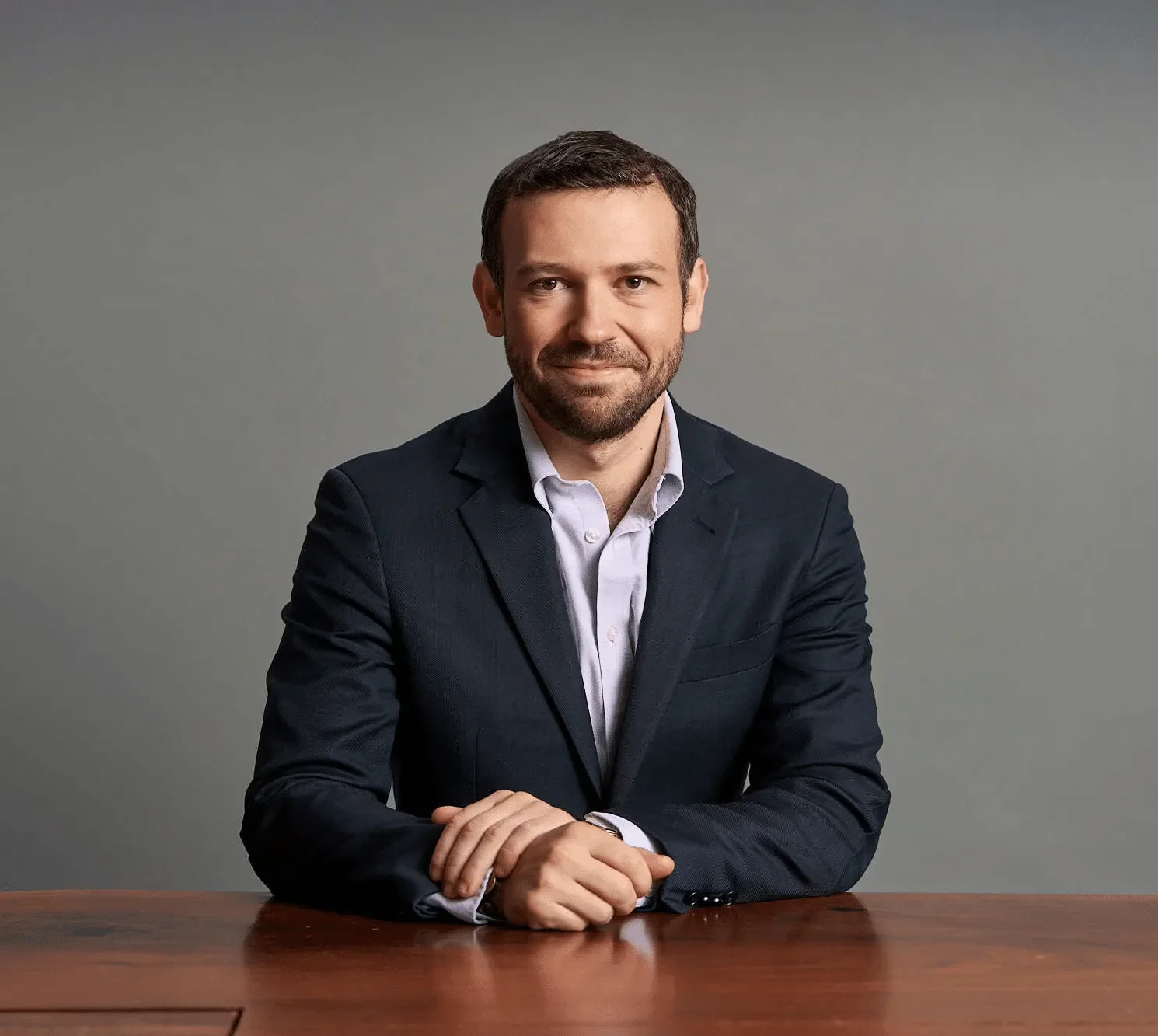
Uriel Epshtein is the Chief Executive Officer of the Renew Democracy Initiative (RDI), a nonprofit organization chaired by Russian democracy advocate and former world chess champion Garry Kasparov. Since joining RDI in 2017, Epshtein has led efforts to counter authoritarianism, support pro-democracy dissidents around the world, expand civic education, and mobilize humanitarian assistance for Ukraine. A graduate of Yale University, he founded the Peace & Dialogue Leadership Initiative, a program dedicated to bridging the civilian-military divide and encouraging informed discussion of American foreign policy. Before joining RDI, he worked at the Boston Consulting Group and held strategy roles at Uber and DoorDash. The son of parents raised in the Soviet Union, Epshtein speaks Russian and French and frequently comments on democracy, international affairs, and the global struggle against authoritarianism.
Meet Our Hosts

Lauren Anderson is a former FBI national security executive who spent nearly three decades running toward the crises most people run from. An Advisor to the U.S. Comptroller General and the U.S. Army, she is a member of the Council on Foreign Relations and The Steady State. She writes What We Choose to Defend, exploring the intersection of trust, security, conscience, and the rule of law.
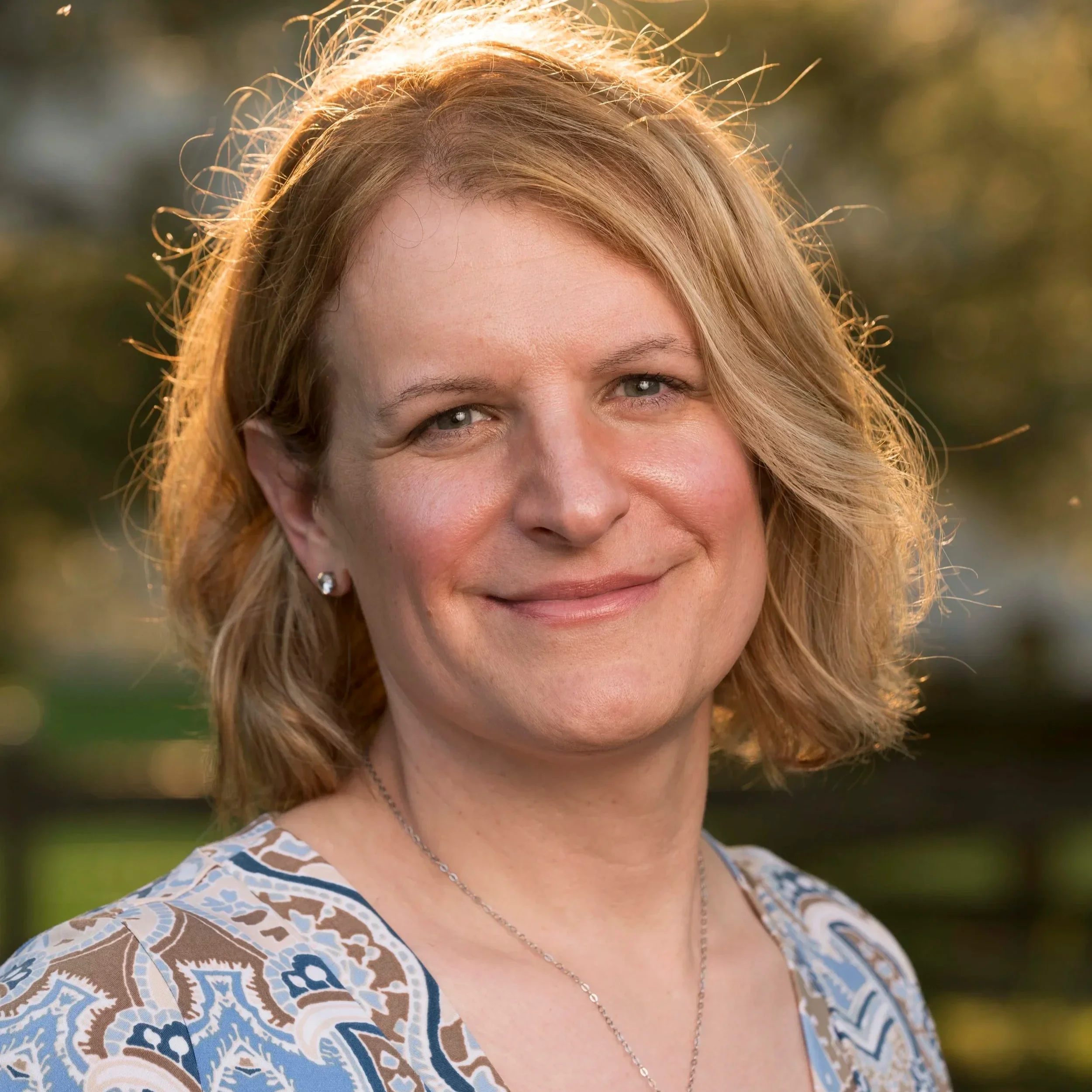
Bree Fram is an astronautical engineer and retired U.S. Space Force colonel who served 23 years before being forced out by the Trump administration, including Pentagon assignments in space policy and national security planning. She has published three books and is a former congressional candidate. She is a member of The Steady State.
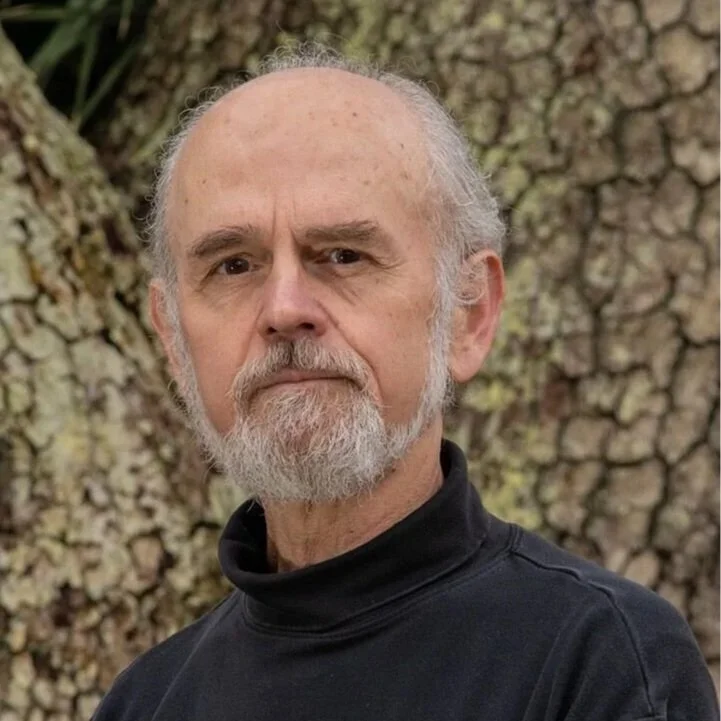
James Lawler served for 25 years as a CIA operations officer in various international posts and as Chief of the Counterproliferation Division's Special Activities Unit. He was a member of the CIA's Senior Intelligence Service from 1998 to 2005. Lawler was a specialist in the recruitment of foreign spies, and he spent over half of his CIA career battling the proliferation of weapons of mass destruction, including serving as chief of the A.Q. Khan Nuclear Takedown Team, which resulted in the disruption of the most dangerous nuclear weapons network in history.
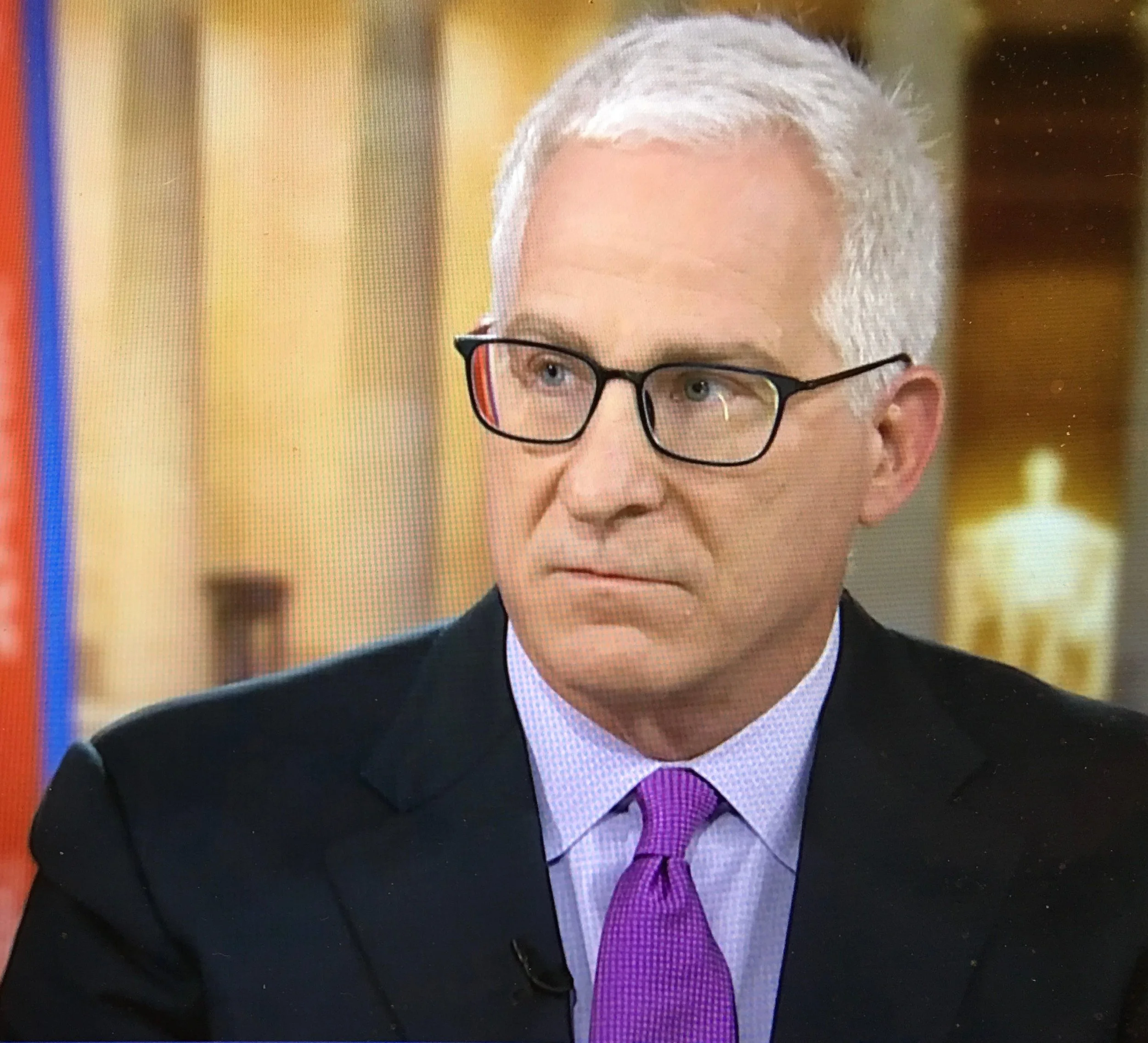
John Sipher worked for the CIA’s clandestine service for 28 years. He is now a nonresident senior fellow at the Atlantic Council and a co-founder of Spycraft Entertainment. John served multiple overseas tours as Chief of Station and Deputy Chief of Station in Europe, Asia, and in high-threat environments. He is the recipient of CIA’s Distinguished Career Intelligence Medal.
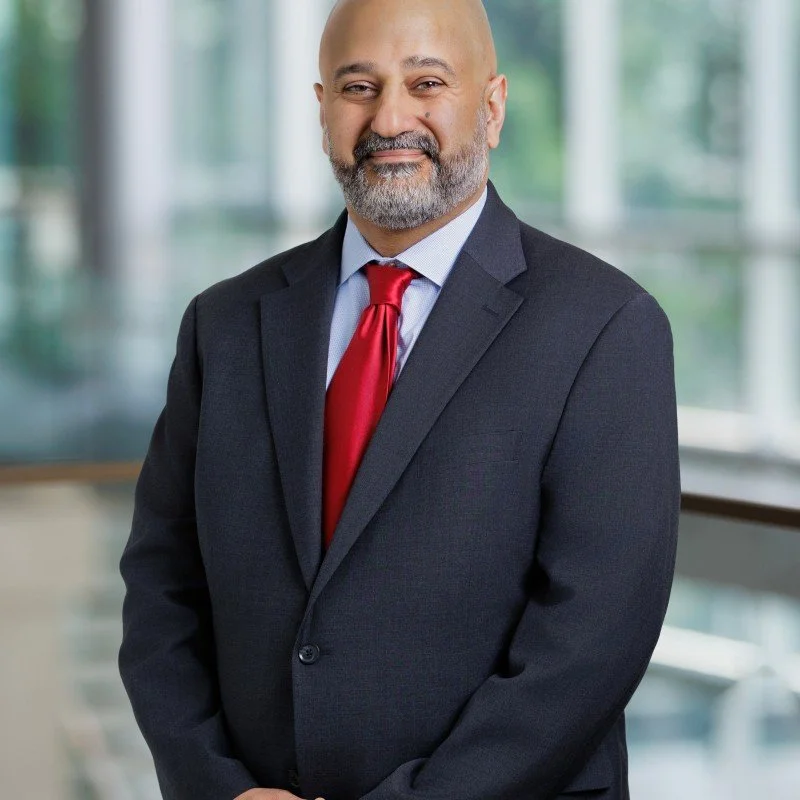
Peter Mina is the founder of the Mina firm, a civil rights and federal employment law firm in Washington, D.C., and a former Deputy Officer for Civil Rights and Civil Liberties at the Department of Homeland Security, where he worked to integrate civil rights and civil liberties protections into the department's national security programs.