
Hold Fast: Why Democracy is on the Midterm Ballot
The assault on democratic institutions is weakening the alliances, innovation, and the public welfare and public trust that made America powerful.
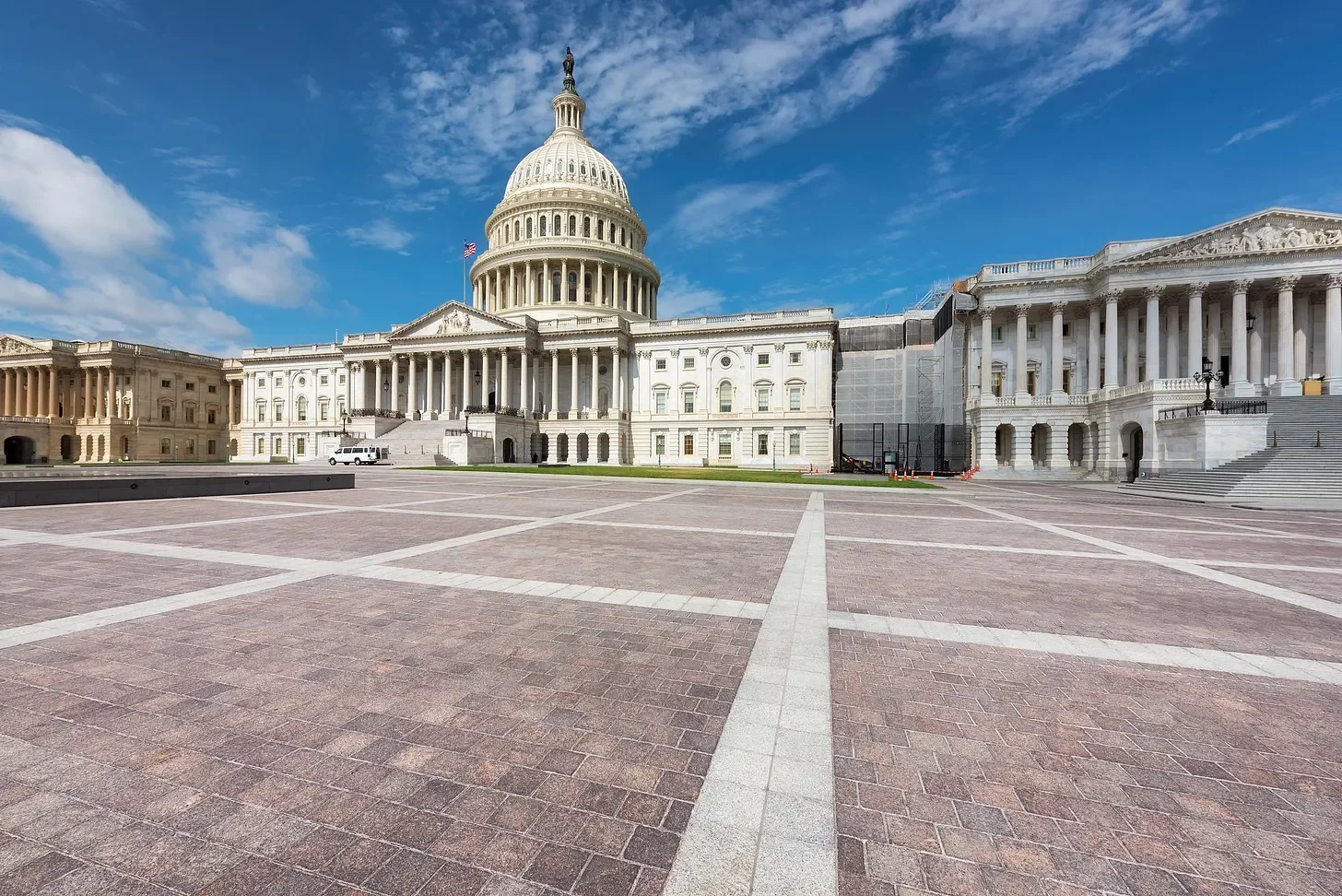
America’s democratic institutions, open society, scientific innovation, and trusted alliances have been essential sources of national power. As political leaders undermine those strengths, they are making the country less prosperous, less secure, and less capable of confronting its adversaries.
Ever since Thucydides 2500 years ago described the conflict between democratic Athens and authoritarian Sparta in his masterpiece, The Peloponnesian War, people have been debating whether democracies have what it takes to succeed in the rough and tumble world of international power politics. Sparta won, in part because Athenian democracy fell prey to impulsiveness and demagoguery.
For many centuries afterwards most political thinkers believed that democracies inherently lacked the qualities necessary for national security success: secrecy and discretion, hard-headedness in weighing ends and means, and centralized authority able to develop long-term strategies and stick to them. Democracy seems to prize the opposite: open debate and freedom of information, a strong moral element to win public support, and frequent changes of leadership and policy direction.
Authoritarian states have frequently boasted of their strong leaders, subservient populations, and the ability to steer resources year after year to their national priorities. They have mocked democracies as weak and decadent. This rhetoric was a staple of 19th century monarchies, mid-20th century fascists, and cold war communists. You can hear the same condescending attitude today from Moscow and Beijing.
But the major democracies still stand. In every struggle, whether waged on the battlefield, the halls of commerce, or around diplomatic tables, the democracies have triumphed.
How did this happen?
It turns out that liberal democracies bring tremendous strengths to the conduct of national security affairs. A free flow of information and the regular replacement of elected leaders helps expose and correct errors, checks the corruption endemic to authoritarian systems, and over time builds consensus around broad policy goals. Because they take part in major decisions, the citizens and key institutions are often enthusiastic and energetic in their support. In a world where power is tied to technology and industry, the inventiveness and flexibility of the free market systems in modern democracies, helped immeasurably by liberal immigration policies, often prove decisive.
Democracies also have ‘soft power’ that attracts people in other countries, by modeling a way of life demonstrably freer and more prosperous for average citizens than the alternatives. They have built lasting alliances that rest on shared values and a dense web of personal and business interactions, made possible by the free flow of people and information. These strengths allowed the United States in the second half of the 20th century to become the world’s strongest and wealthiest nation and the acknowledged leader of the ‘free world.’
But today an authoritarian-leaning political movement, and Congress unwilling to check its power, are undermining these strengths. Impulsive and arbitrary actions, such as the tariff war with Canada and the war on Iran, are pushing away allies and diverting resources from more important threats. Rampant corruption and the appointment of sycophants to high positions mean that citizens at home and leaders abroad can no longer trust that major decisions are made in the national interest or even reflect any coherent policy.
America’s status as a welcoming country has been deliberately destroyed to discourage immigration, sharply reducing the flow of new arrivals, who earlier included many of our most distinguished scientists and entrepreneurs that helped fuel our economy. The government has shown its willingness to wreak havoc on the country’s universities and research centers for political ends, undermining a key driver of economic growth and pushing countless experts out of America altogether. Constant criticism and legal attacks on the media threaten to stifle free speech.
Our would-be dictator is following the classic authoritarian playbook of encouraging division and distrust. Left and right once found unity around support for a democratic world; this has been replaced by a policy of “America First” that flatters autocrats and disparages democrats. Instead of patient attention to the country’s long-term challenges, we see our leaders scapegoating false threats like immigrants, socialists, or trans people.
A people at odds with one another is easy to frighten, manipulate and control.
Despite what some demagogues would like us to think, making the US more authoritarian is not making us stronger or more respected. It is instead weakening the key ingredients of national power. We will end up less free, less safe, less rich, friendless, and more divided. And our adversaries in China, Russia, Iran and elsewhere could not be more delighted by this decline.
Here are some questions to ask candidates for office:
What will you do to ensure that Congress and the courts do their job of restraining executive power?
How will you check the corruption that is undermining trust at home and abroad?
How will you reassure allies that America can once again be a trustworthy partner?
What is your plan to end the militarized law enforcement that is frightening citizens and non-citizens alike?
Founded in 2016, The Steady State is a nonprofit 501(c)(4) organization of more than 450 former senior national security professionals. Our membership includes former officials from the CIA, FBI, Department of State, Department of Defense, and Department of Homeland Security. Drawing on deep expertise across national security disciplines, including intelligence, diplomacy, military affairs, and law, we advocate for constitutional democracy, the rule of law, and the preservation of America’s national security institutions.