The Predicate
The machinery for turning alleged misconduct at election protests into federal investigations of political organizations and their funding is already in place.
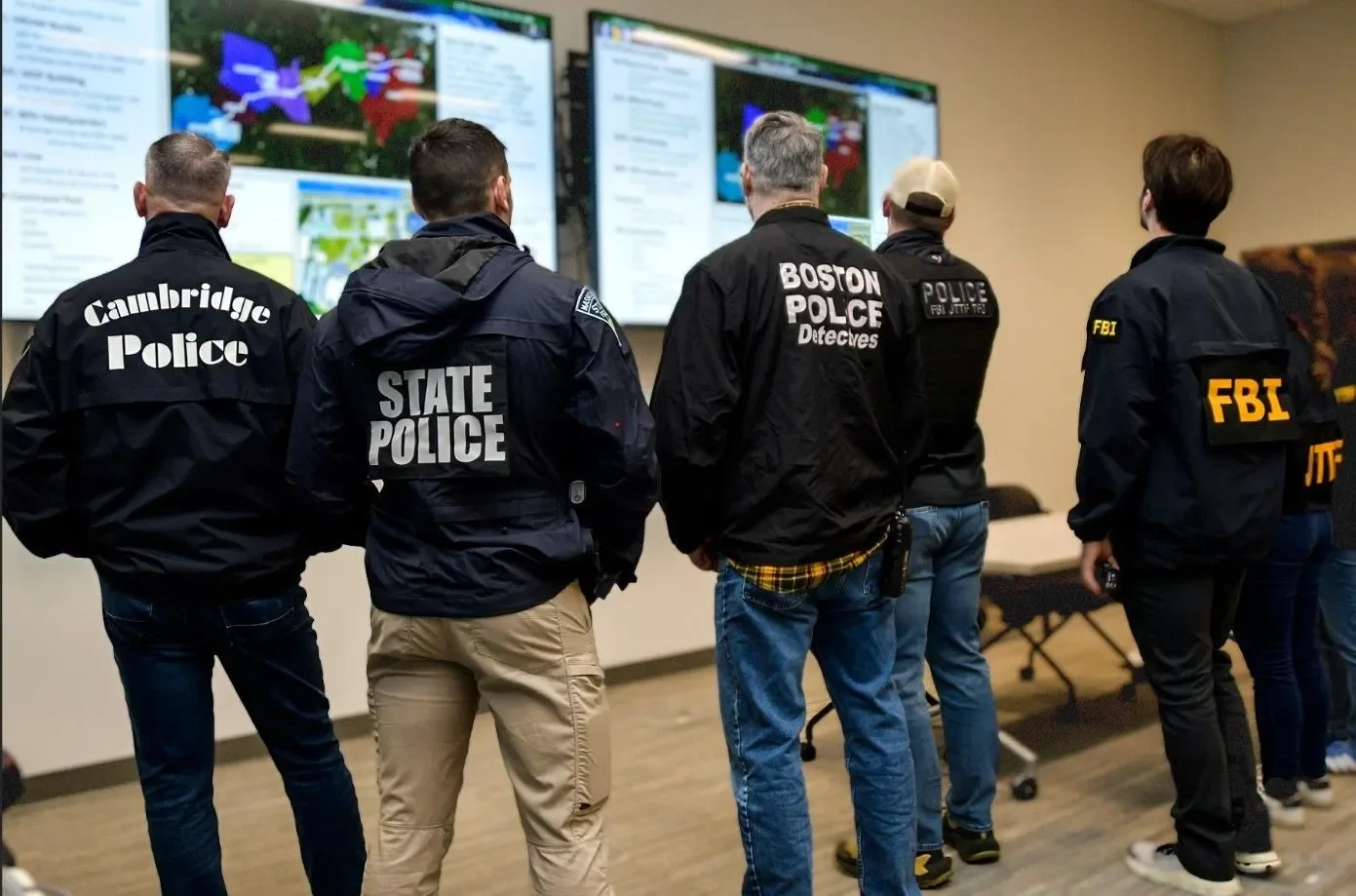
Joint Terrorism Taskforce Photo : FBI Official Website
The machinery is already in place to turn alleged criminal conduct at election protests into investigations of the organizations, organizers, and financial networks behind them. If the federal government intervenes in a disputed election, the resulting protests could provide the predicates for a second wave of investigations—potentially transforming the criminal-justice system into a weapon against political opposition.
A “predicate” is the factual basis for opening an investigation or taking other government action. As the midterm elections approach, the word is worth keeping in mind.
The Trump administration has created a federal counterterrorism apparatus that can move from alleged criminal conduct during a political protest to the organizations, organizers and financial networks associated with it. National Security Presidential Memorandum 7 directs the FBI’s Joint Terrorism Task Forces to investigate the “organized structures, networks, entities, organizations, funding sources, and predicate actions” behind political violence. Treasury is instructed to trace financial networks and the IRS to identify tax-exempt organizations financing political violence or domestic terrorism.
The potential criminal predicate need not resemble terrorism. Former Attorney General Pam Bondi instructed prosecutors implementing NSPM-7 to use the “most serious, readily provable offenses” available. Her list includes resisting or impeding federal officers, obstruction during civil disorders, destruction of government property, obstruction of agency proceedings and disruption on federal property, alongside far more serious offenses including RICO, material support for terrorism and seditious conspiracy.
Nor does an administration determined to investigate a political adversary have to wait for a convincing predicate. It can try to construct one.
Consider former FBI Director James Comey. Trump repeatedly demanded his prosecution. After an earlier case against Comey collapsed, the Justice Department revived a year-old photograph he had posted of seashells arranged to read “86 47” and indicted him for threatening Trump. Investigators had searched for evidence that Comey understood “86” to mean murder and found none; even former Gambino underboss Sammy “the Bull” Gravano told them a gangster would not use the expression that way. The government prosecuted anyway. Legal experts have widely criticized the case as legally deficient and politically motivated.
That is a constructed predicate.
The machinery waiting behind potential predicates arising from political protests is substantial. The FBI’s NSPM-7 Joint Mission Center brings together personnel from ten agencies and is charged with using intelligence, operational support and financial analysis to “proactively identify networks.” Bondi instructed investigators to use “all available investigative tools” to “map the full network” behind suspected domestic terrorism. The Justice Department has separately created Joint Task Force Vanguard to investigate and prosecute political violence.
Federal investigators are also already looking at organizations occupying different parts of Trump’s political opposition. The Southern Poverty Law Center has been indicted on financial-crime charges it denies; SPLC says the payments underlying the case were part of an informant program known to and used by law enforcement. Federal prosecutors have been directed to prepare investigative plans concerning George Soros’s Open Society Foundations, although no charges have been brought. Trump separately ordered the Justice Department and Treasury to investigate alleged straw, dummy and foreign contributions involving ActBlue.
None of those matters establishes that the organizations support political violence. What they demonstrate is that federal investigative attention is already directed toward organizations and financial networks within Trump’s political opposition.
Now consider the midterms.
Suppose Trump rejects the result of a close House or Senate race. Federal agents seek ballots or voting equipment. State or local officials resist. Demonstrators gather. Someone blocks an officer, breaks a window or throws something. Or federal authorities allege that protesters resisted or impeded their officers.
There is the potential predicate. And investigators have already been instructed to move outward from the alleged offense to the organizations, organizers and money behind it.
Steve Bannon has been using the same word in discussing something different but closely related: federal intervention in the election itself. In June, advocating an emergency order governing elections, Bannon said the administration needed to “lay out a pretty definitive predicate” that could survive a court challenge. In July he said Trump’s election speech needed to serve as “a predicate for immediate action.” Two weeks later, Bannon declared that “the predicate is being laid perfectly.”
Bannon was describing a predicate for federal intervention in an election, not for an NSPM-7 investigation. But put the two sequences together. An asserted national-security predicate could be used to justify federal intervention in an election. That intervention could itself generate protests. Alleged criminal conduct during those protests could then provide a second predicate—this time for investigators already instructed to identify the organizations, organizers and financial networks associated with those protests.
The first predicate would bring the federal government into an election dispute. The second would provide a basis for subpoenas, searches, financial investigations and potential prosecutions extending from individual protesters to the organizations, organizers and funders behind them. For Trump and those acting for him, that would turn the criminal-justice system into a tool to punish those at the center of resistance to his efforts to control the outcome of U.S. elections.
The courts will need to be prepared to act quickly to ensure that the midterms are conducted according to law—and that their lawful results actually stand.
For a deeper dive, read more here.
Founded in 2016, The Steady State is a nonprofit 501(c)(4) organization of more than 450 former senior national security professionals. Our membership includes former officials from the CIA, FBI, Department of State, Department of Defense, and Department of Homeland Security. Drawing on deep expertise across national security disciplines, including intelligence, diplomacy, military affairs, and law, we advocate for constitutional democracy, the rule of law, and the preservation of America’s national security institutions.