We Built It for 80 Years. We’re Dismantling It in Months.
Diplomatic power took generations to build. The damage being done now could take generations to repair.
America spent 80 years building diplomatic power. We are dismantling it in months—not simply through cuts and reorganization, but through an increasingly authoritarian approach that treats independent expertise as disloyalty, concentrates decision-making around personal loyalty, and weakens the institutions designed to constrain executive power. The diplomatic damage may be immediate. The consequences could last for generations.
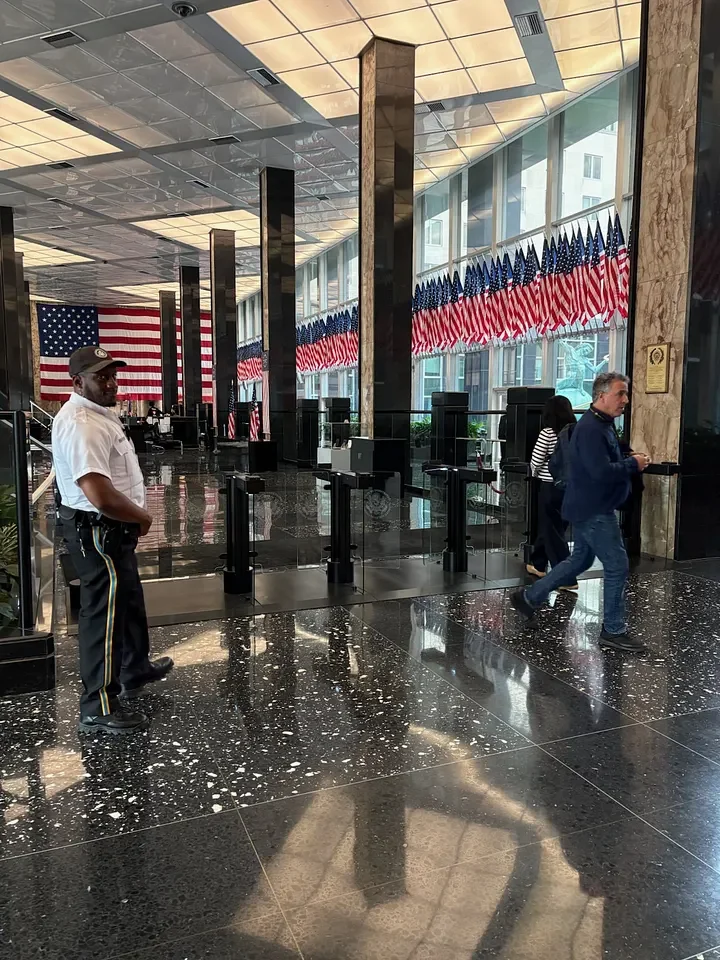
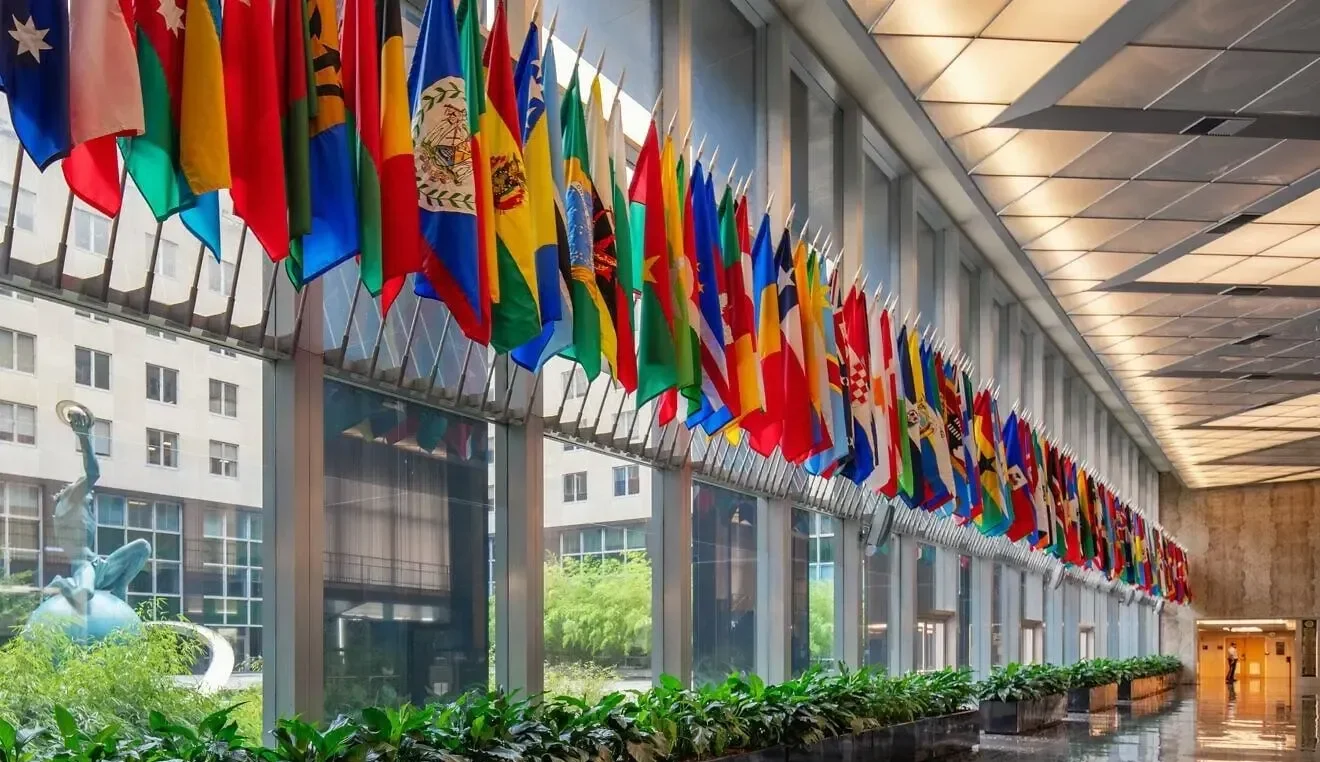
I spent decades advancing U.S. foreign policy interests – in embassies, and in the halls of the State Department where the American flag flew near that of dozens of other countries, a visual shorthand for the alliances and quiet, patient work that keep this country safe without firing a shot. This year, at the State Department’s own C Street entrance, those flags came down. In their place: only the Stars and Stripes. It is a small image.
It should chill every American who cares about this country and its place in the world.
The flags were never a decoration. They were a promise – that America shows up, listens, and builds relationships that outlast any single administration. Taking them down was a choice to stop pretending we still believe that.
It’s not just symbolism. Last year the State Department fired more than 1,300 people in a single day – over 1,100 civil servants and nearly 250 foreign service officers – part of a so-called “reorganization.” These aren’t faceless bureaucrats. Many spent years in intensive language training – Mandarin, Arabic, Russian, Swahili – funded by taxpayers precisely because that expertise can’t be conjured on demand in a crisis. You cannot surge fluency in Pashto. You cannot improvise twenty years of relationships with a foreign ministry. Firing that talent isn’t trimming a budget line – it’s burning an asset that took decades and millions of dollars to build, and handing Beijing and Moscow a gift they didn’t earn.
Alongside the firings has come an exodus. Ambassadors and senior officers who could have stayed have walked away rather than watch important work hollowed out. Career diplomats serving as ambassadors have been recalled, sometimes replaced by people whose main qualification is loyalty. The Department deleted the contents of social media accounts of past ambassadors, erasing the public record of American engagement as if institutional memory itself were the enemy.
Meanwhile, diplomacy has been outsourced to people like Steve Witkoff and Jared Kushner – private citizens with business interests and no Senate confirmation, negotiating matters of war and peace with none of the oversight or institutional backing that makes American diplomacy credible. That isn’t a lean government. It’s diplomacy by improvisation, run by whoever has the president’s ear that week.
Then there’s USAID – dismantled without the approval of Congress, which created it and alone has the authority to eliminate it. USAID was never charity; it was strategy. Every school built, every vaccine delivered was a down payment on stability in places where instability eventually becomes our problem – as refugees, as terrorism, as openings for China’s checkbook diplomacy. Gutting it doesn’t save money; it cedes the field.
The National Security Council, once the table where military, economic, and diplomatic considerations were weighed before the president acted, has been stripped down too – less process, less of the friction that used to catch bad ideas before they became policy.
It’s important to be fair to the other side, because dismissing it would be its own dishonesty. Critics have legitimate points: State had grown large and, in places, duplicative; some consolidation is defensible; special envoys have real precedent, including under Democratic presidents; and the executive branch does have authority to reorganize. I don’t dispute any of that – I spent years inside State arguing for reform myself.
But there’s a world of difference between reform and demolition. Thoughtful streamlining starts with a strategy: which capabilities does America need for the next twenty years, and how do we protect them while cutting genuine waste? Instead, we got a reduction in force that swept out irreplaceable expertise alongside real redundancy, with no plan for rebuilding it; it is the difference between pruning a tree and taking a chainsaw to the trunk because you don’t like raking leaves.
An administration serious about reform would have engaged the professionals who know where the fat actually is. Instead, it treated expertise as disloyalty. That isn’t streamlining. That’s disdain, and disdain is not a strategy.
None of this is happening because America has run out of adversaries or problems that require expert diplomacy. The people who built American power in the twentieth century – through the Marshall Plan, arms control, international development, and decades of alliance management – understood that influence is built slowly and lost quickly. We built it over eighty years. We are dismantling it in months.
This is not normal, and this is not happening by chance. These actions are directly out of the authoritarian playbook.
Even those Americans who’ve never set foot in an embassy should still care, because the State Department’s job was never really about diplomats. It was about you – markets that stay open, wars that get prevented, diseases contained before they reach us, Americans overseas who get help in trouble.
Hollowing out the institution that does that work doesn’t make us safer. It makes us a country that has to relearn, the hard way, why we built these tools in the first place.